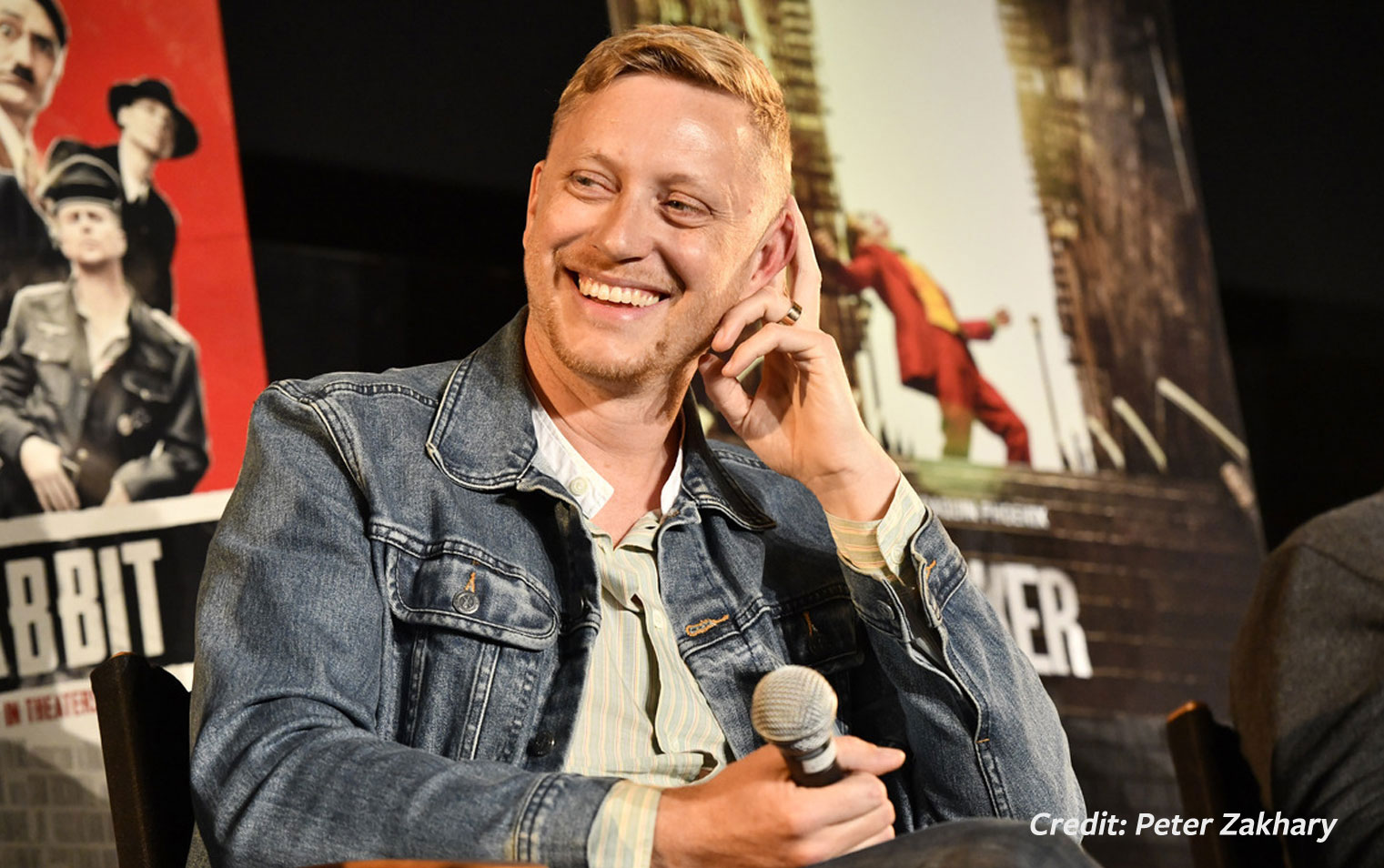
Who would’ve thought that a satire about a little boy with an imaginary friend (who happens to be Adolf Hitler) would ever see the light of day, let alone be a critical and box office hit? While the premise of Jojo Rabbit might seem risky for Academy voters, at the time of writing, the film has garnered six Academy Award nominations including Best Film Editing for Tom Eagles, who recently picked up an American Cinema Editors’ Eddie Award for Best Edited Feature Film – Comedy or Musical.
(more…)
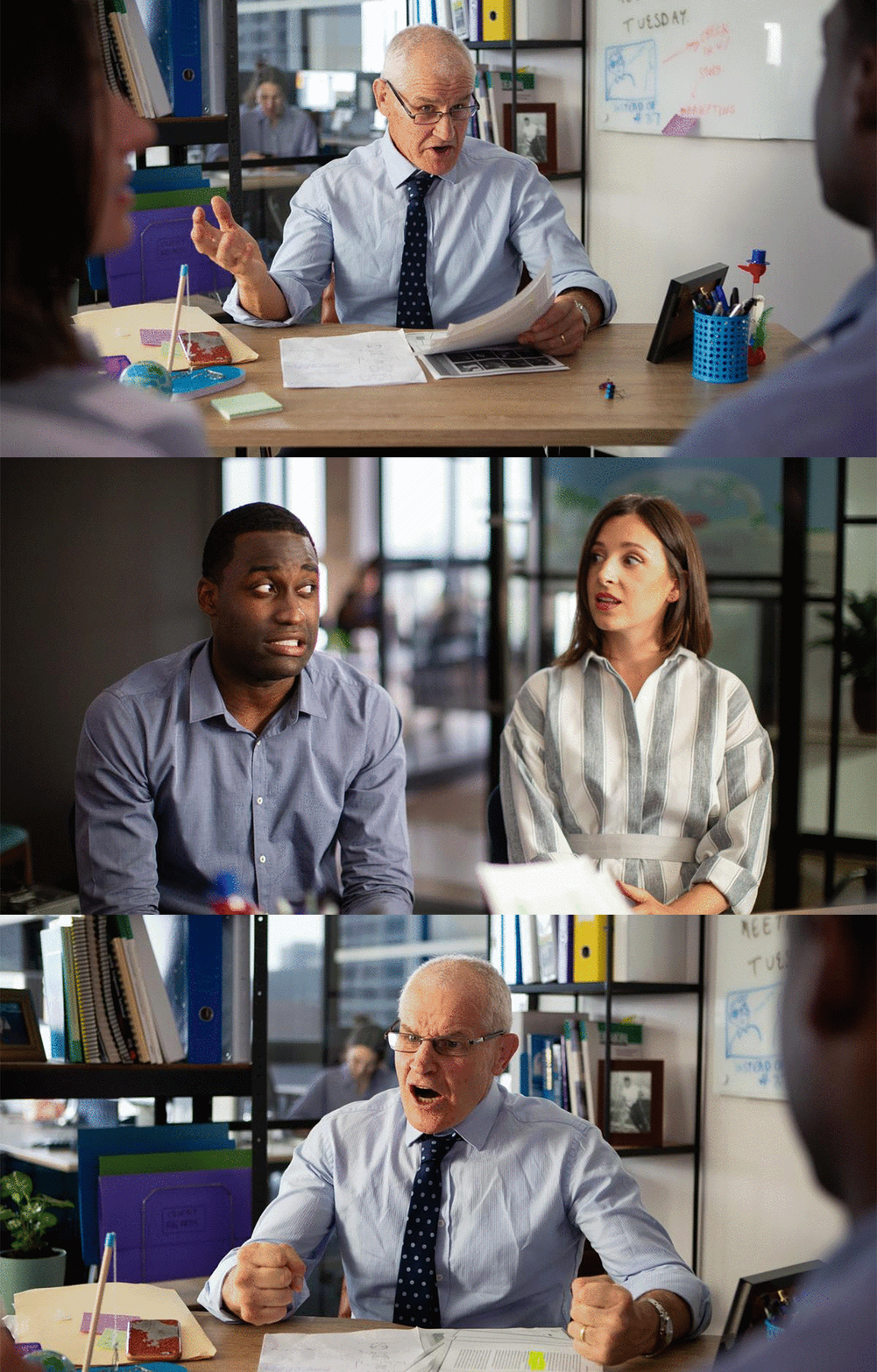
Imagine this scenario: It’s the Monday before the Super Bowl, and your team has officially wrapped the trailer for the summer’s highly anticipated superhero prequel. No one’s seen the trailer but you, the team, and the studio execs. It’s from one of the biggest (and most secretive) studios in the world — keeping the trailer under wraps is mission critical. (more…)
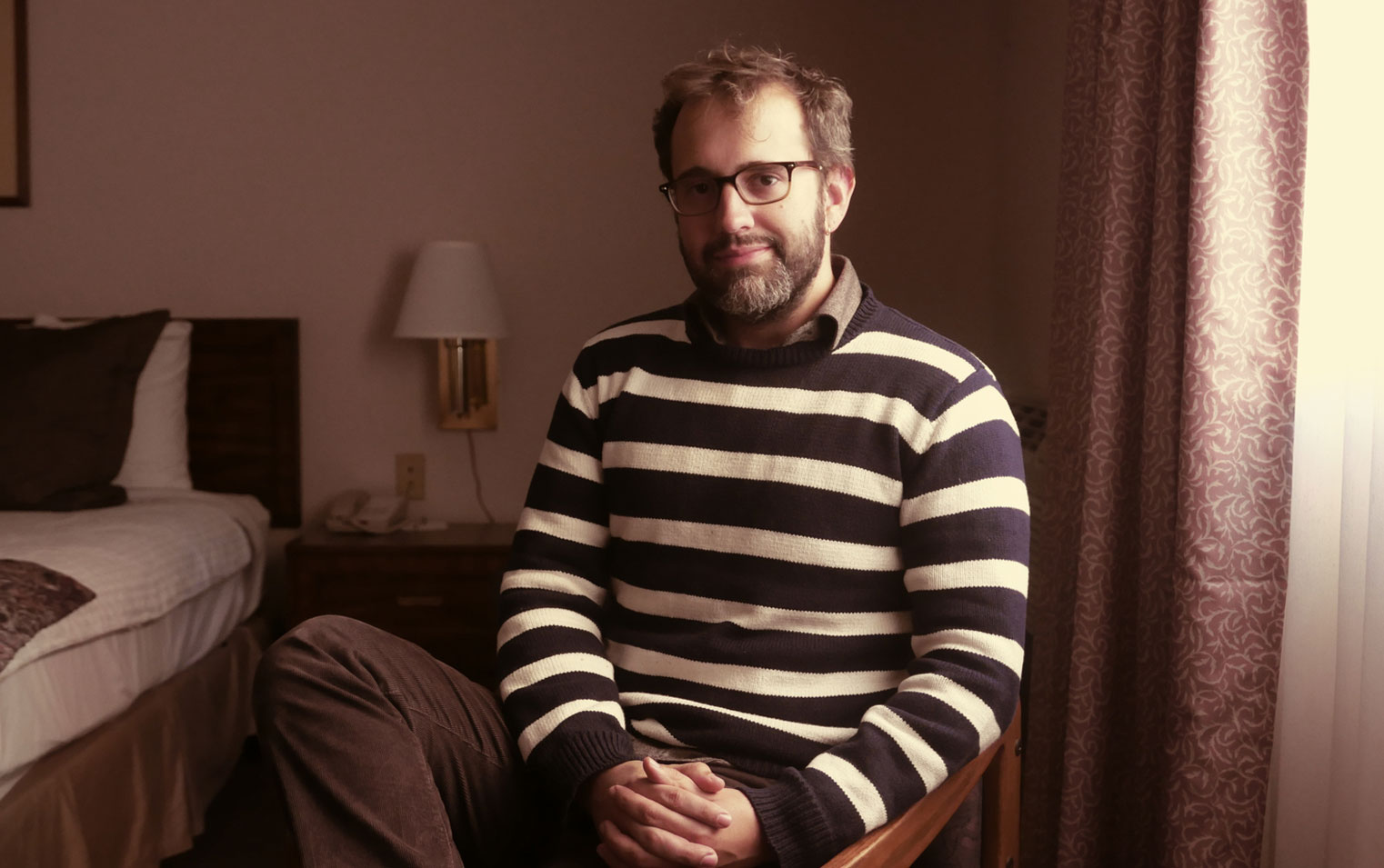
Eric Kissack manufactures luck. Throughout his career as an editor and increasingly as a director, he’s had the savvy and hustle to be in the right place and time for “luck” to kick in. He’s gone from cutting comedy shorts to major studio releases and to directing hugely successful shorts and national commercials, as well as editing prestige TV.
(more…)

Lauren Taylor knows that the success of a movie or TV shoot can hinge on the tiniest details. The angle of a streetlamp, the contact information of an animal handler, a prop cigarette — they’re all part of an impossibly complex, constantly shifting equation that must be solved before production can even begin.
Taylor is a location coordinator, most recently on the Hulu series, Wu-Tang: An American Saga. Her job is to make order out of the chaos that is television pre-production. She handles the contracts for locations. She navigates Byzantine hurdles set up by mayors’ offices. She procures permits.
Taylor began working in the New York City film industry after graduating with a film and electronic arts degree from Bard College in 2010. Knowing she loved movies, but unsure exactly how to translate that into a career, she began working as a PA in different departments. She dabbled in wardrobe, casting, and construction before settling on locations.
Now, nearly a decade into her film career, Taylor is a member of the Teamsters Union and has worked on a mix of critically acclaimed independent films, Hollywood movies, and high-profile TV shows. Before entering the Wu-Tang, Taylor was location coordinator on If Beale Street Could Talk (2018) and location manager on Swallow (2019) and Before You Know It (2019), which premiered at Sundance.
Taylor’s work, in some ways, hides in plain sight. You can see the fruits of her labor — successfully acquired locations — in the background of every shot, but there’s a world of effort that goes into finding and locking those places down. In this interview, Taylor breaks down exactly what the locations department does — and what it takes to become a coordinator. But first, we start with semantics. (more…)
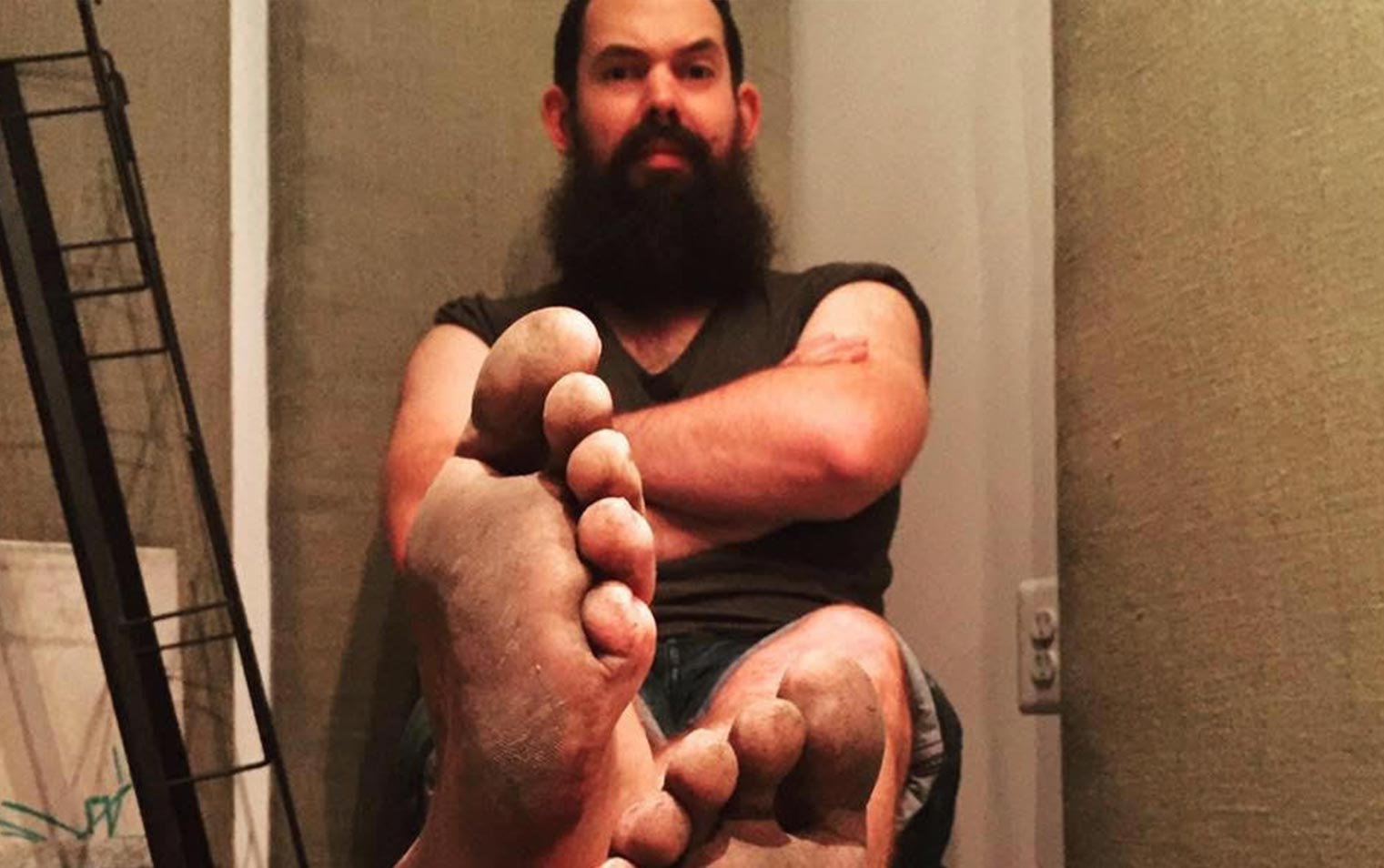
Alongside script gal or clapper boy, Foley artist is one of those job titles that conjures up 1930s Hollywood. So it was very disorienting when I arrived at Studio Unknown, a post-production sound facility in Burbank, and Matt Davies wasn’t in high-waisted pleated trousers and suspenders making horse hoof sounds with coconut shells strapped to his hands. Not everything is a Coen Brothers movie, it turns out.
(more…)
Describing documentaries as “nonfiction storytelling” can sound dull, but their soundscapes can be anything but. Documentary filmmaker Michael Beach Nichols, composer Todd Griffin, and music supervisor and producer Barry Cole joined Doreen Ringer-Ross, VP of Creative at BMI, at IFP Week earlier this fall to discuss just that.
In a wide-ranging conversation that covered how composers communicate their ideas, what music supervisors actually do, and when the inclusion of a song is or isn’t considered fair use, the industry professionals shared anecdotes and advice for filmmakers. We compiled the seven best insights from their discussion for nonfiction storytellers looking to turn up their audio game.
1. Recognize the part music supervisors play
Music supervisors are critical contributors to documentaries, but what exactly do they do? “The popular answer is that the music supervisor’s job is to help translate the vision of the director into music,” Cole said. “The B answer is the music supervisor is responsible for helping you have a deliverable section in your folder that’s related to music and has all the licenses and agreements, including the composer’s agreement that you’ll need to actually turn over to a distributor for delivery. One’s a lot more fun.”
In short, music supervisors adapt, facilitate, and ensure that a project gets the best music possible with all the boxes checked on the accompanying paperwork.
2. Don’t skip the spotting session
Once a production reaches picture lock, be sure to attend the spotting session when the most important decisions about songs and music are made. “There aren’t a lot of rules, but it’s in that spotting session where you have everybody in one place where you can get everyone on one page for each scene in the project,” Cole said. “Does it need music? Does it not need music? Does it need a song because we’re actually in a public place or in a bar or restaurant, so we need something playing on the sound system? [Or] is it something that’s underscoring the narrative and driving the plot forward, which may be score?”
3. Look for inspiration in obvious places
If music distracts or detracts from a documentary, then it shouldn’t be there. Composers and sound designers often take cues from the material or the mood of the film when building audio files. Griffin and Nichols discovered a more unique approach, one that involved manipulating and reusing recordings for the score.
In Nichols’ Wrinkles the Clown, his just-released documentary about an Internet clown that parents can hire to scare their children, the filmmaker was granted access to Wrinkles’ archive of more than 2 million voicemails and text messages from parents, which the producers referenced during casting. “Some of them were hilarious, and some of them are really disturbing,” Nichols said of the messages. “A lot of them had just, like, screaming because parents would use Wrinkles’ number, and they would pretend that they were talking to Wrinkles while the voicemail was recording.”
Together, he and Griffin found a way to use the screams in the score. “We wanted to tell this sort of myth of Wrinkles as reflected back by the Internet and by these children,” said Nichols. “We wanted to use their reactions to Wrinkles to create this nightmare scape for the ones that were scared of him. Some kids think he’s awesome and really fun, and we replicate that as well, but the screaming stuff is very sort of genre/horror.”
As a parent himself, Nichols was heartbroken to know other parents were intentionally scaring their kids, but it connected him to the material in an emotional and horrifying way. He was able to take 8-second clips of children screaming and stretch them to 55 seconds. “You can run it through software that will find the pitch on the scream and kind of lock it onto different notes,” he explained. “And so they would create these little weird melodies that had a really otherworldly quality. That really got baked in as part of the impetus behind a lot of the normal-ish music that’s in the film.”
Quick to differentiate that process from sound design, Griffin believes it’s a “matter of perception.” What some may call music, he might refer to as sound design. “If it’s music that communicates mostly through its sound and texture as opposed to things that you would recognize, like melody and rhythm and instruments . . . that’s kind of where the line is for me,” Griffin said. “But the way you deploy those things I think are very similar. They just have a different effect.”
4. Allow great ideas to flourish
You want a score that’s tailor-made for your project, but filmmakers’ vision should take a backseat to the filmmaking process if necessary. Having a framework in place and allowing for exciting new ideas to alter the shape that the music is taking can lead to better results. Ideas can come from anyone involved with the production of the score, but the director should be open to them. As the composer, Griffin requires an authentic connection and “emotional grounding in a story” so that he can bring the most of himself to a job. That’s when his ideas mesh with the rest of the creative group and the ideas he contributes are the most interesting.
For Cole, though, great ideas come from immersing himself in a project’s environment. “Whether it’s a narrative or documentary,” he said, “just actually placing myself in these scenes and having that discussion has changed the conversation for some projects.” For example, for one production, he suggested inserting a real DJ in the background of a scene set at a house party. It wasn’t necessary, but it added another layer that made the scene feel and sound more real. “I don’t think if you didn’t hear the DJ mixing between tracks, you would lose anything,” he confessed, “but for the authenticity of what that party was at that place in time, it really added a cohesiveness to the overall narrative of the project.”
5. Understand the financial dimension of score-making and music selection
Calling the score the “bastard child of post-production,” Ringer-Ross wondered how the panelists made room for music (either original or pre-recorded) early on in a project and how they determine the exact amount they need to write into the budget for it.
For Cole, it often comes down to how many songs the producers and directors want to have. “Usually there’s not an answer because we haven’t shot yet,” he said, so he often follows up to ask about the budget.
Indeed, Cole typically uses the Most Favored Nations (MFN) approach for documentaries, which “begins with determining the number of songs you want to license and determining how much you can afford to pay for each song if all songs get the same fee,” he wrote in an email. By setting all songs at the same rate, filmmakers can offer a valid reason for not paying market rate for any particular song. For instance, if there are five songs and the music budget is capped at $50,000, then the proposed MFN would be $10,000 per song ($5,000 for the master use fee + $5,000 for the sync fee). If four of the songs are green-lit, but the fifth holds out for $1,000 more than the offered price, then filmmakers can choose between finding a different song or upping the rate by $1,000 for the remaining four. The MFN strategy works best when the more prominent artists agree to the rate first, which you can then communicate to the remaining rights holders.
Once a budget is set, Cole has a better idea of what’s needed, which often includes a composer for original music. “Sometimes I get to that point where it’s, like, well, this is a documentary about x, and we’ve got to have a lot of music, and we’re probably thinking, like, twenty songs per episode,” he continued. “It’s, like, well great, and we already know that your current budget doesn’t support that based on the map that we have here. So we started to talk about other options.”
PBS, for example, has a unique deal when it comes to licensing music. According to Cole, Lauren Koch, director of music copyright at PBS, handles the music licensing for all of the network’s programming. Thanks to a deal struck during the Truman administration, however, PBS doesn’t pay the same fees to the registered song publishers. The nonprofit also doesn’t have to go through the same approval process that everyone else does. “So PBS will actually pay their $44 for a background use, $99 for a feature use, and they don’t have to clear master recordings,” Cole revealed. This benefits documentary filmmakers because less time is spent tracking down and obtaining rights. It also means more freedom to include as many songs as the project needs without sacrificing a large portion of the budget.
As long as the content stays inside of PBS, things are simple, but deals with distributors like Netflix and Hulu turn the films into commercial products, which complicates finances. “If you realize that within PBS you can make whatever you want, music’s not an issue,” said Cole. “That becomes a point of discussion. So, between there and the twenty songs that you want to have, sometimes there are ways that you can manage your music budget differently.”
6. Use an attorney for fair use and royalties
Fair use can be more complicated than some people think. “If you have somebody sitting in a car and singing along to a Stevie Wonder song, that may not be fair use,” Cole said, explaining that the doctrine was created by the government expressly for nonfiction works. The difference sometimes comes with context, but it’s more often case-by-case. “If the dialogue behind it is, ‘Every time I heard this Stevie Wonder song when I was in this car, this thing happened,’ and then the song plays,” he added, “you’re a little closer to reaching the fair use meter than if it’s just a song that’s playing in the background.”
Consult a professional, he advised, instead of assuming that you don’t have to pay for a piece of music or a song. “There are pages and pages and pages of legal documentation, which is why you would consult with a fair use attorney specifically so that they can actually verify that the use of the music would be fair use,” he said. “That will be the piece of paper that will end up in your music deliverables folder for that particular song and scene.”
The ins-and-outs of what royalties are and how or when they’re paid is similarly confusing. It often depends on who holds the licenses and how the music is being used. Incorporating a recording of a rock song in a show or film requires a master license and publishing license approvals. It would also require synchronization approval from the songwriters.
If a film includes someone walking down the street singing a song by Madonna, for example, then the approvals needed are different. “You would not be on the hook to go to her label to clear her master recording or the physical recording, but you would have to go to her publishing, which would most likely reach out to [Madonna] if she wrote the song,” said Cole. “She would need to decide whether or not she would want to give permission and at what price to let you have the synchronization rates or the publishing rates to use that song in your project.”
(Learn more about master use licenses and synchronization/publishing licenses with ASCAP’s primer, which contains helpful definitions and links.)
7. Elevate the score, learn to listen to unfinished music, subscribe to podcasts
Given the breadth of their experiences, the panelists shared a potpourri of advice for other filmmakers. Cole, for instance, suggested prioritizing the score. “Score should come before songs because score is something that is going to be originally made and tailor-fit for your project . . . putting that importance on the composer and on the score of your film I think is a great place to start,” he said.
For Griffin, knowing how to listen to unfinished music is a skill directors should hone. “Most of the time your temp music is going to be finished music, but your back and forth with a composer is unfinished music and learning to find pieces in that music that resonate with you. Understanding all of the different options of where you could go with that is an incredibly powerful position to be as a director,” he said.
Griffin also recommended two podcasts for learning about how music is scored or how songs are made: Song Exploder, which dissects primarily pop music, and Meet the Composer for hour-long discussions with more serious concert composers.

A single video can take a team’s best efforts — and many rounds of revisions — to get right. When you’re working with tight timelines, you need to send files quickly and keep track of real-time updates even when you’re not at your computer.
Introducing MediaSilo GO by Shift — the best of MediaSilo’s Feed, Review and Approval, and Sharing packaged into a mobile app. Available for both iOS and Android, now you can share content and gather feedback right in the palm of your hand.
(more…)
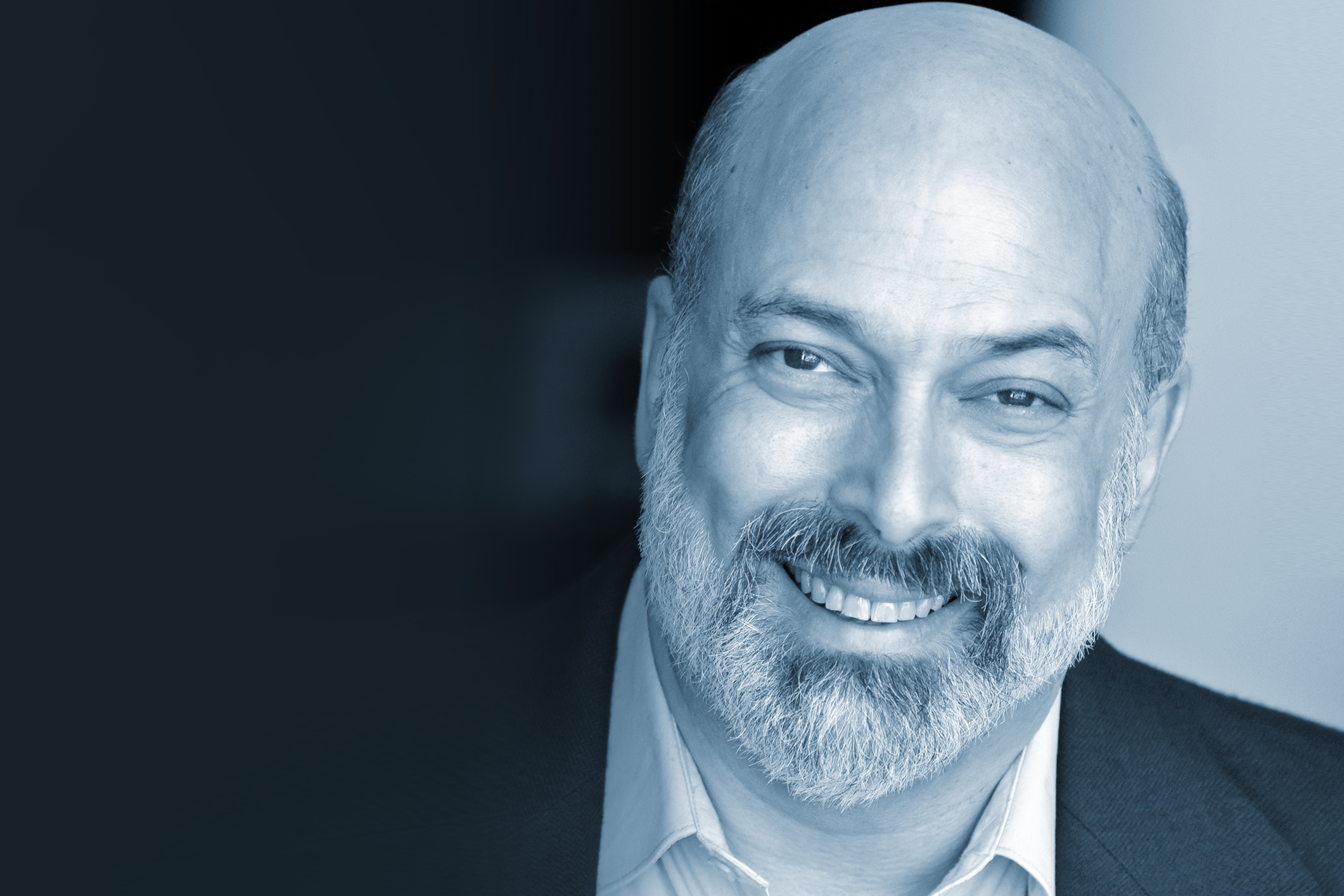
The fab five on Queer Eye were talking so fast, it forced me to turn on captioning, which turned out to be serendipitous. There, I discovered the option “English – Audio Description” and marveled at the linguistic gymnastics it required for the audio describer (AD) to squeeze in a coherent narrative of what the show was depicting visually — all in the rare quiet spaces not otherwise filled by perky music cues or Jonathan Van Ness’s ice skating metaphors.
Audio describers are tasked with using language to convey to visually impaired viewers what’s being portrayed on a stage or screen. It is unquestionably an art form, a feat of poetic efficiency. It’s also a relatively new field, debuting first on radio and then on public television in the 1980s. It wasn’t until the 1990s and 2000s that AD found its way into major theaters, television, and now, streaming.
Joel Snyder has been along for the entire ride. He helped pioneer the discipline, first with live theater at the Metropolitan Washington Ear and then into television and film by starting a description program for the National Captioning Institute. Since that time, his company Audio Description Associates, has been contracted by the American Council for the Blind to run the Audio Description Project, a large-scale initiative to promote the field. He also literally wrote the book on AD. His manual, The Visual Made Verbal, is a training manual for AD students worldwide.
In the interview below (edited for brevity and clarity), we discuss how audio description is one of the few booming fields for people with poetic sensibilities. (more…)

Featuring tufted velvet seats, white linen tablecloths, and wood paneling throughout, Taylor’s Steak House in Koreatown feels like a movie set, a vestige of old Los Angeles. The dim lighting gives the windowless interior a coziness underscored by its curved, dark brown leather booths. I half expect Frank Sinatra or Dean Martin to walk through its doors, but Ester Kim saunters in and slides into the booth where I’m nursing a dirty martini. The faded glamour of Taylor’s seems like the perfect environment for our interview, given her love of The Grand Budapest Hotel and its “controlled aesthetic . . . saturated color palettes . . . [its] time periods and setting all make for a visual feast,” she writes in an email after our meeting.
Kim has been back in her native Los Angeles little more than a year, having relocated from Albuquerque, where she was an active set decorator, dresser, and buyer in the city’s bustling film and TV industry. When we meet, she’s still accruing the needed hours to gain entry to the local IATSE because her union membership in New Mexico doesn’t qualify her to work in California just yet.
It’s no worry — Kim has been in the business for a decade-plus, with titles such as Breaking Bad and Whiskey Tango Foxtrot under her belt. She always carries furniture blankets and ratchet straps in her car in case she discovers the right treasure for whatever set she’s currently working on, and she has quick answers to questions like where to find the best lampshade for a 1960s-era fixture or how to re-tile a mid-century tabletop.
By the time this is published, Kim will have collected the required hours for IATSE, wrapped a film starring Salma Hayek, and begun production for a TV series she can’t discuss. I catch her before all that, though, and we spend a leisurely dinner at Taylor’s chatting about the traits that best serve someone pursuing the type of production roles that are Kim’s bread and butter.
The following are edited excerpts from our conversation. (more…)
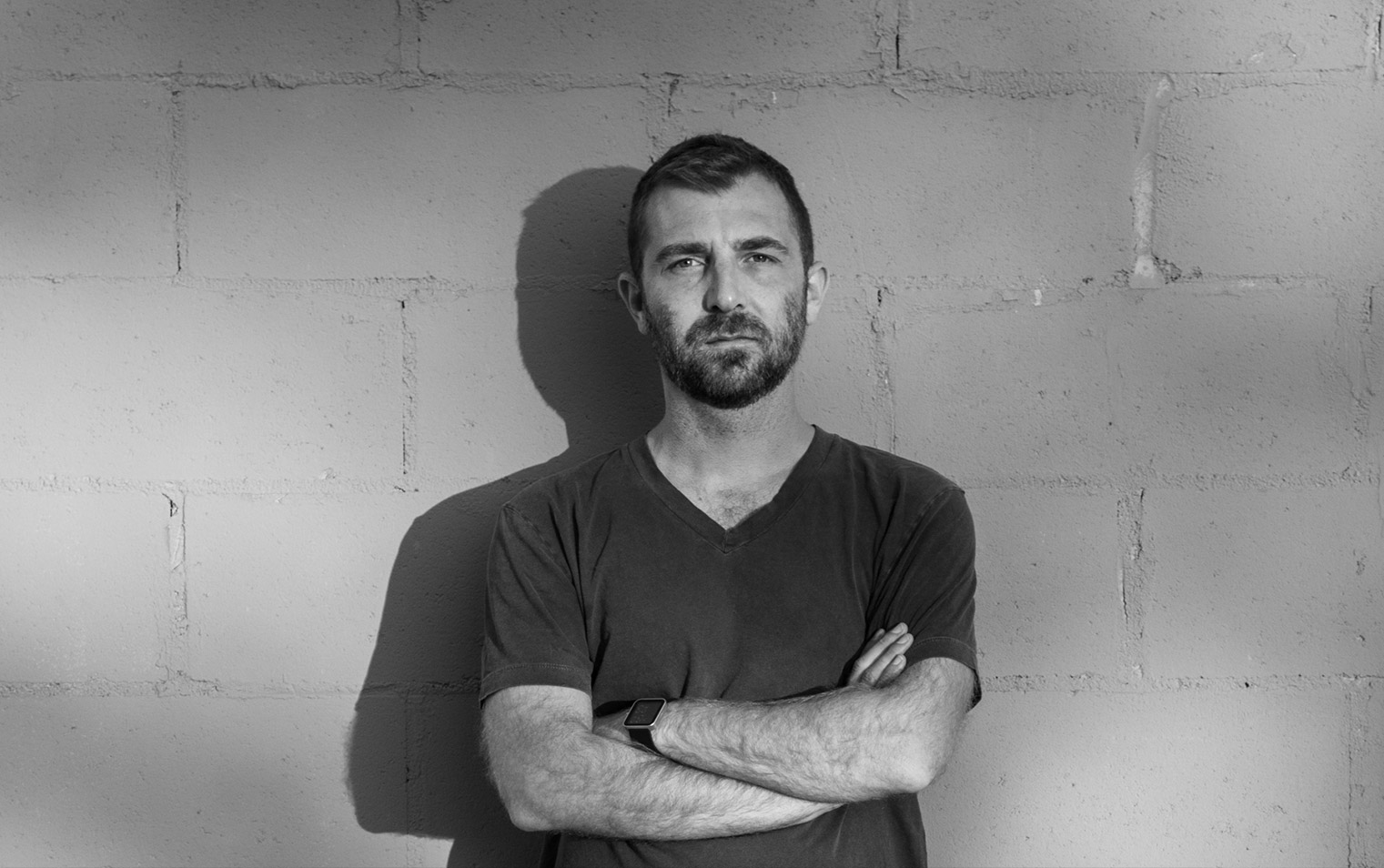
The first thing you see at Jafbox, Joseph Fraioli’s studio in West Los Angeles, is a modular synth. Just looming there, looking like an obsessive detective’s crazy wall. Jumbles of colored patch cords traverse it wildly, connecting modules together in ways that make sense only to him.
Synthesizers are made up of individual parts: oscillators produce tones, filters affect their timing, other filters affect the dynamics or feel of the tones. Most synths only let you blend the individual parts in the specific order that the designer has hard wired them. But modular synths break you out of that, letting you blend parts as you wish, ad infinitum. Exploring their possibilities is a life-long journey best suited to obsessives, alchemists, and meanderers.
Obsessive meandering alchemy is an apt description of Fraioli’s career as a sound designer and electronic musician. Fraioli, who relocated from New York in 2018, has been releasing electronic music as Datach’i since the late 90s on labels like Planet Mu and Timesig (owned by Aaron Funk/Venetian Snares). Throughout the years, he’s played with the limits of genres like drum-n-bass and techno. Sometimes his work explores the playful and melodic, other times the intense and dissonant. Fraioli’s consistency is rooted in being open, experimental, and flexible — qualities that have served him well in the world of sound design.
Fraioli’s resume in sound design is multi-layered, informed by years of investigating the possibilities of individual parts. He’s built complex, immersive installations for Kanye West at Cannes and, as a solo artist, at the Walker Art Center. He’s also created dozens of rich, sonic worlds on commercials, television series, and films (most recently on Kin, starring Dennis Quaid, Zoe Kravitz, and James Franco). In this interview with writer and musician Kerry McLaughlin, he discusses how his varied background has given him a unique approach to sound design and how staying open to accidents is the key to success. (more…)





