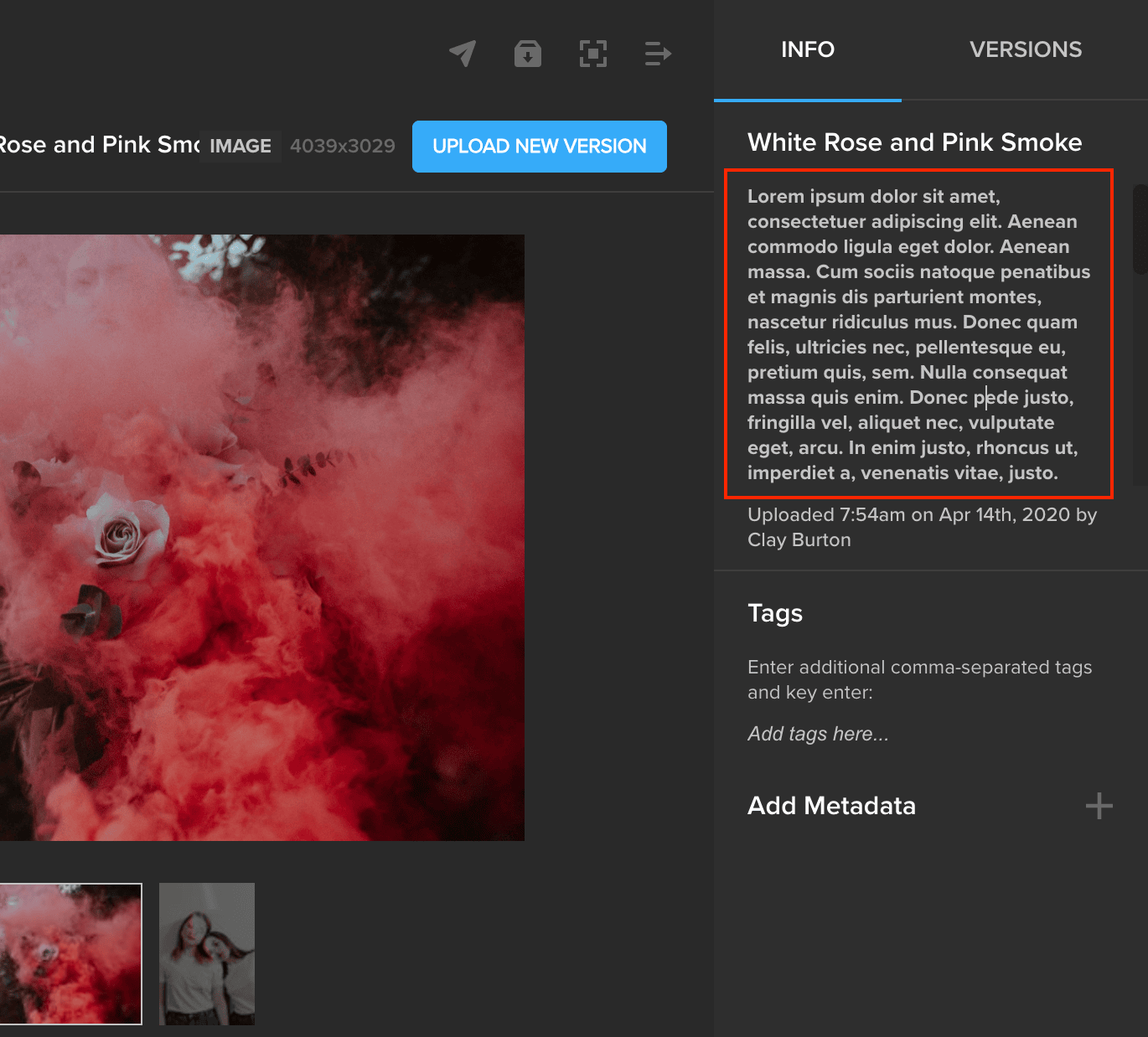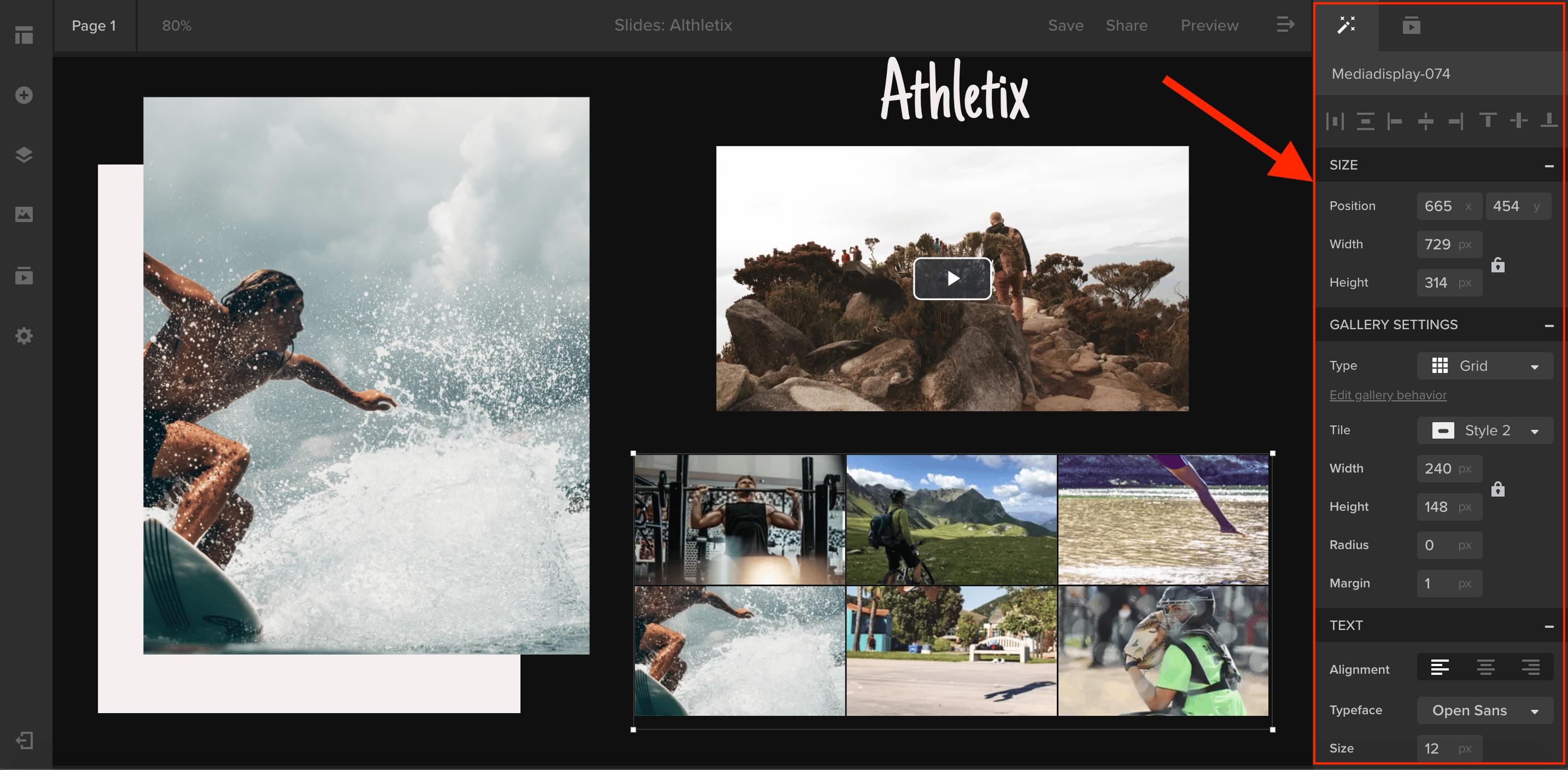
- When editing a Spotlight template, you can now customize the height of assets in a grid.
- Back and forward buttons in Spotlight are improved.

Our guest Stacy Jones delves into how film production and brand marketing work hand-in-hand to bring some of your favorite consumer brands to the big screen.
The following interview is an excerpt from our video series, Production – In Conversation. To watch the full interview and see more video content, click here. Or you can listen to the Shift In Conversation podcast here.
Stacy Jones – CEO – Hollywood Branded
Grace Amodeo – Marketing Manager – Shift Media
Grace:
I’d love to start off by introducing yourself. Tell us about your company and what you do.
Stacy:
I founded Hollywood Branded back in 2007 and we are a pop culture content marketing agency. What that means is we leverage Hollywood, celebrities, and influencers in order to have them become part of a brand’s marketing campaign or have the brand become part of their content. We work on TV shows, feature films, and music videos and we create product placement opportunities for the brand to be interwoven in the storyline to be used as a prop, a set or location, or a wardrobe item.
(more…)

In Spotlight, you can now drag-and-drop an entire playlist into an empty gallery.
(more…)

Our guest Darian Chornodolsky explores how interactivity can bring new life to all of your old digital content.
The following interview is an excerpt from our video series, Marketing – In Conversation. To watch the full interview and see more video content, click here. Or you can listen to the Shift In Conversation podcast here.
Darian Chornodolsky – VP of Platform Growth – WIREWAX
Grace Amodeo – Marketing Manager – Shift Media
Grace:
To get started, could you introduce us to WIREWAX and yourself?
Darian:
I’m Darian and I lead platform growth at WIREWAX. WIREWAX is interactive video, and interactive video is WIREWAX. So I’ll get a little bit into what interactive video is, some of the use cases, and specifically how it pertains to reusing and recycling existing assets. Also talking about how in today’s reality of a halt in production, how content creators and content owners can really maximize their results with their existing video library. Recently I’ve been thinking about defining interactive video as the technology that allows content owners and creators to bridge that gap from passive viewing to engaging, active, and action-driven viewing. We’re used by brands, agencies, retailers, marketers, broadcasters — the bottom line is anybody who is looking to make their video work harder and to drive results with their video that go way beyond just a view count.
(more…)

Our guest Zach Basner outlines how video content can streamline your sales team, and how to get started.
The following interview is an excerpt from our video series, Marketing – In Conversation. To watch the full interview and see more video content, click here. Or you can listen to the Shift In Conversation podcast here.
Zach Basner – Director of Inbound Training and Video Strategy, IMPACT
Grace Amodeo – Marketing Manager – Shift Media
Grace:
I’d love if you could start off by telling us about IMPACT on a high level, and more specifically what you do at the company.
Zach:
IMPACT is a digital sales and marketing company. We specialize in training and consulting, so we train our clients to be fully self-sufficient when it comes to their digital sales and marketing success. We work with our clients for sometimes up to a couple of years to get them to the point where they’re fully confident, fully insourced, and fully in-house. And my role within the company is to oversee all of our training offerings, and also the way that we teach and talk about video strategy.
(more…)

Global Search now supports Metadata as a search filter option, so you can track files based on keys and values.
(more…)

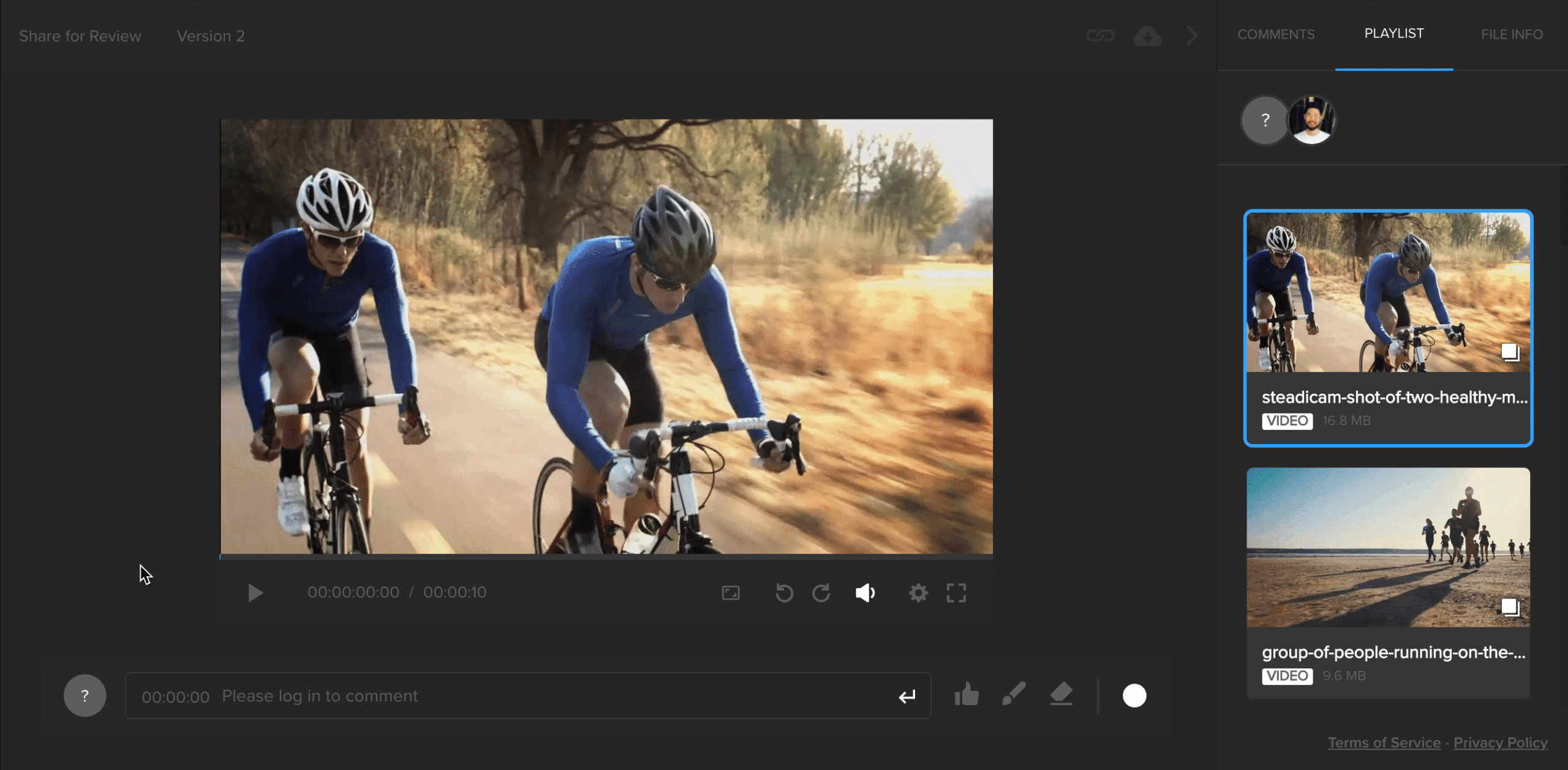
In the right-side navigation drawer, you can now sort your playlists by type: static, folder, and project playlists.
(more…)

Photo credit: Andy Strong, @astrongphoto
Piper Payne’s got a lot to be stoked on, a phrase she uses often. The new EP Visions from Madame Gandhi, former drummer for M.I.A., that Payne mastered just dropped. She also started a new project for Cartoon Network’s Steven Universe in February, and there’s lots of lacquer cutting ahead. Payne, a mastering engineer with studios in Oakland and Nashville, got her start apprenticing under mastering greats Bob Katz and Michael Romanowski.
(more…)
Congrats — you’ve got a killer film, album, product, or event coming out soon. How are you going to let the world know about it?
Back in the day, you would’ve spent lots of time and money printing, packaging, and sending physical press kits with promotional photos, synopses, and media like video tapes or CDs. Look how Star Wars did in 1977.
Luckily, it’s much easier to create robust, multimedia electronic press kits and distribute them quickly and widely in the digital age. Whatever you’re pimping — an indie film or studio album, video games and apps or splashy festival — an electronic press kit (EPK) should be part of your promotions strategy. EPKs are especially handy because they contain in one place all the elements journalists and media outlets need to cover your product, event, or creative work.
EPKs are just one part of a PR push, though. Kirsten Saladow, who spearheaded communications and public relations for Matter Communications, Portland Institute for Contemporary Art, and ChefStable, explains: “In theory, the press kit should solely be for press, and there should be plenty of other marketing materials (website, social media, email newsletters, print pieces, etc.) that artists can send out to their mailing lists of the audience that they’ve built up over the years, so press kits can just be sent to journalists from a PR person.”
If you don’t have the budget for a PR firm to help market your project, don’t worry; we list resources below for building and deploying your own electronic press kit.
What to include in a successful EPK
“This varies so much by what you’re using a press kit for,” Saladow writes in an email, “but typically, it’s important to have a press release that gives the details around whatever the press kit is for, downloadable photos (with photo credit!), video if applicable (also with credit!), bios of artists and/or key executives (if relevant).”
Neal Block, head of distribution and marketing at Magnolia Pictures, describes the EPKs they create in addition to dedicated websites and social media accounts for each film: “For every film we release, we have press notes, a set of still photos approved by the filmmaking team, and clips pulled from the film. We also like to include Q&As with filmmakers to give additional context.”
Filmmaker Matt McCormick, whose documentary The Deepest Hole premiered at Sundance in January, says EPKs are a must-have: “They are vital if a filmmaker wants their film to receive any press.”
An while EPKs will vary by industry and what you’re promoting, they should include the following to be most effective:
- Press release: This should describe the project you’re promoting and use language that journalists can pull from. As McCormick writes in an email, “It’s amazing how many writers and media outlets simply copy or paraphrase a press kit when writing a story about a film.” If the press kit is for a film, include a synopsis. Some even have both short and long versions so writers can cut and paste as much as they need.
- Bios: Include bios on the principals involved in the project — the band releasing album, the sponsor behind an event, the company that’s recently been acquired, and so on.
- High-resolution images: These can be film stills, a headshot, or poster art. Make sure you include credits so the photographer who took the shots is recognized.
- Media clips: Embed the trailer and video clips for films, audio for albums, and performance clips or interviews for arts, theater, and other events.
- Website and social media links: Include social media accounts, website, and any relevant hashtags.
- Press, awards, or blurbs: Already won an award or received good press? Good for you! List it in your press kit and link to it if it’s available online. If not and you can scan the print version, then you can add the high-res file to your website. Alternatively, if you were given a high-quality PDF of the print version, then you can cut just the relevant pages and use that instead.
- Important dates: Let people know where and when they can see your work, whether it’s at a venue, screening, or launch party.
- Contact info: List your PR firm or whoever is handling media relations
- FAQ sheet: Bonus points if you can include a FAQ sheet for quick reference. “The FAQ sheet should include things like date, time, location, price (which should be covered in the press release), as well as things like how many people attended this event last year, if kids can attend, if venues are appropriate for all abilities, etc., which might not be covered in the press release but would be questions that media would want to ask,” says Saladow. “The less you make people have to hunt and dig for an answer, the easier it is on everybody.”
PDF, online, or both?
With the prevalence of social media and easy-to-build website templates like Wix and Squarespace for promoting your project, are PDF press kits still necessary? Indeed they are. Many journalists still expect them and prefer having all the info about whatever it is you’re promoting in one easy file.
“Many websites will have a press section where press kits are available electronically or can be downloaded as a PDF. Typically, the PDFs wouldn’t be outdated, because a press kit is either for something specific (like an event or a new product), which shouldn’t need to be updated frequently,” writes Saladow. “If you’re creating a more general press kit for an arts org as a whole (for example), it’s smart to have that live on a website that you can update frequently. Even if a downloadable PDF is attached to it, you can update both simultaneously, so everything stays up to date.”
Who should receive your EPK and when
Who you send your EPK depends on what you’re promoting. As the name “press kit” implies, you should send it to members of the press relevant to your project, event, or product. You’ll want to send it to as many media outlets, blogs, and journalists who would potentially want to cover it. At a minimum, compile your mailing list at least three months before you want press coverage. Most outlets have editorial calendars that list when and what will be included in each issue, so research the sites of magazines and other publications you’re targeting to see if there are key dates to keep in mind.
“As a general rule, most print magazines are 3-6 months out, so if you are sending your press kit to Vanity Fair in hopes of getting into their print magazine, you’d need to send it to them at least six months in advance,” Saladow says. “Daily and weekly newspapers and digital publications typically have shorter lead times, so you don’t have to plan that far ahead. However, I’d still aim for at least three months in advance.” If your album drops three months from now, for example, you’ll want to get that press kit out pronto.
“Showing that you’ve done your research will help get your press kit viewed”
A press kit can also be used when you apply to film or music festivals or, if you’re a musician, to booking agents. “I’d also advise sending a press kit with a specific pitch to a writer, which means actually reading what they write about and sending them a brief (3-4 sentences!) note about why you think they’d be interested in your organization and/or event. Give them an angle, tell them why they should care, tell them why you’re sending them this press kit,” Saladow says. “Showing that you’ve done your research will help get your press kit viewed and potentially written about, which is the goal.”
Making and distributing your own EPK
Filmmakers can check out FilmSourcing for free EPK templates available to members or StudioBinder, which offers templates that link to their call-sheet software. Musicians can explore Wix’s free website templates or Sonicbids free to cheap templates for interactive landing pages that list tour dates and stream your social media content. If you need inspiration, check out the websites of music labels, film distributors, PR firms, and events. For filmmakers, Tribeca Film Festival has a great archive of EPKs to peruse.
Not every project can set budget aside for a publicist, but you don’t have to be a publicist to send out your own press kit. Once you have it written, compiled, and designed, create a PDF that you can email or make downloadable from your website. When you’re ready to email your media list, either include the link to your site if you’re hosting the press kit there or attach a PDF of it.
A word about social media
Social media is an integral part of our lives today, and it’s tempting to rely on it alone as a way to get the word out. It’s certainly possible, especially if you’re your own publicist, but “if you’re using press kits as part of your media relations strategy, then they are just as important as social media promotion,” says Saladow. “Your average audience member or customer isn’t going to be interested in your press kit, which is one of the reasons why a strong social media presence is important.”
“A press kit is intended for press, so by creating one, you are putting together information that will make a journalist’s job easier which is important if you want reporters to write about your event or whatever it is that you’re promoting,” she continues. “Journalists should be the intended audience for press kits while social media is for anybody and everybody who’s interested in what you’re doing.”

At the same time that many of her peers prepared for college finals, Audrey Ember released a video explaining why she had decided to quit school for the second time. For a while, she admits, going back to college was Plan C, but the plan had been scrapped again. “Sorry mom,” she says to the camera with a grin. It’s a moment typical of Ember — honest, personal, reflective of that place between adulthood and owing your parents answers.
The twenty-year-old YouTube creator has been doing things her way for a while now. After pursuing a film degree for two years, Ember decided to focus full-time on her YouTube channel, where she creates content specializing in cinematography, video production, and the creative process. (more…)